



Most guitarists learn the minor pentatonic and then wonder why their solos sound robotic. The notes are right, but something is missing. That missing ingredient is blues phrasing, the art of shaping each note with personality, and then knowing when to stop playing. This is exactly what separates a musical blues solo from mindless scale-running. If you’ve already dipped into the full picture of soloing over blues changes, you know that vocabulary is only half the story. Expression is the other half, and that’s what we’re digging into here: bends, vibrato, and the power of deliberate silence.
What Blues Phrasing Actually Means
Blues phrasing is not a scale. It’s not a lick pattern either. Instead, it’s the collection of decisions you make about each note after you’ve chosen it. Think of it like spoken language. Two people can read the same sentence aloud, yet one sounds bored and the other sounds compelling. The words are identical. The delivery, however, is completely different.
On guitar, that delivery comes from three things: bends, vibrato, and space. Together, these three tools turn technically correct notes into emotionally resonant ones. Most intermediate players already know that these tools exist. What they haven’t yet figured out is how to use them intentionally.
Bends: The Voice of the Guitar
A bend is the closest a guitar gets to the human voice. Because the vocal cords slide between pitches, singers rarely land on a note without approaching it. Bends let you do the same thing on guitar. Even so, most beginners bend randomly, they reach for the move without a musical reason.
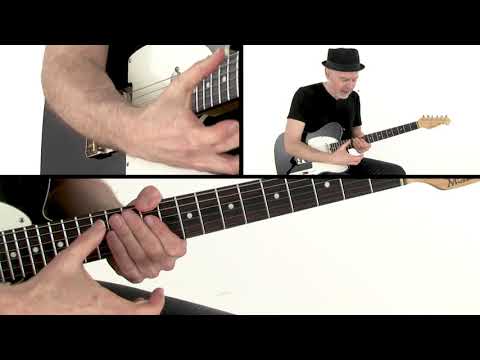
Instead, try targeting specific bends. The classic blues move is bending the minor third up to the major third. For example, in A minor pentatonic, that means bending the C on the second string up to C#. That one half-step carries enormous emotional weight. It’s the sweet-gritty quality you hear in every great blues player. Make sure you’re supporting the bend with multiple fingers, specifically, lay your ring finger on the note and reinforce it with your middle and index fingers behind it. This technique gives you the strength to hit the target pitch cleanly.
Accuracy matters more than speed here. So slow down, hit the bend, and listen carefully. If you’re not reaching the pitch, your solo will sound out of tune, even if every other note is perfect.
Vibrato: How to Make a Note Breathe
Vibrato is what happens after the bend lands, or after any sustained note. It’s a pulsing, rhythmic fluctuation in pitch. Moreover, it’s one of the most personal sounds you can develop. Every great blues player has a signature vibrato. B.B. King’s is fast and narrow. Freddie King’s is slow and wide. Neither is wrong. They’re just different voices.
To develop yours, first choose a note and let it ring. Then, slowly rock your fretting hand, not just your finger, back and forth. The motion comes from the wrist, not the fingertip alone. As a result, you get a wide, controlled vibrato that actually moves pitch. A fingertip-only vibrato usually sounds too thin.
Practice vibrato in isolation before adding it to a solo context. Start slow, then gradually increase the speed. Eventually, you’ll find a natural rate that feels like your voice. That consistency is what makes a vibrato sound musical rather than accidental.
The Power of Space in Blues Phrasing
Space might be the hardest concept for an early intermediate player to embrace. However, it’s also the most transformative one. Silence is not emptiness, in blues phrasing, it’s punctuation. It lets a phrase breathe. It also creates tension that the next note resolves.
Listen to any classic slow blues performance. You’ll notice that the phrases are short. Two or three notes, then silence. Then another short phrase. That conversational pattern is intentional. In fact, it mirrors the call-and-response structure of traditional blues singing. The guitar speaks, then it listens.
A practical way to practice this is to limit yourself deliberately. For example, allow yourself only four notes per phrase, then stop. Count two beats of silence before starting again. At first it feels uncomfortable. However, within a few minutes, you’ll start hearing how the silence shapes what came before it. Space makes a bend sound bigger. It makes vibrato sound more expressive. Above all, it makes the listener lean in.
This idea of space also connects to how you think about the fretboard. Rather than running up a box pattern from top to bottom, you’re choosing one or two ideas and landing on them with conviction. If you want to explore how moving across the neck can help you find those ideas, check out the guide to connecting pentatonic boxes. More fretboard freedom means more options for where to place each phrase.

Putting Bends, Vibrato, and Space Together
These three tools work together as a system. First, you choose a target note. Then you approach it with a bend. Next, you lock in the pitch and add vibrato. Finally, you stop, and let the space do its work. That four-step sequence is the foundation of blues phrasing at any level.
Of course, there are other tools in the blues phrasing toolkit. Targeting chord tones as the harmony changes is a big one, it gives your phrases a sense of direction over the underlying chords, rather than just riding one static position. As you get more comfortable with bends and vibrato, that harmonic awareness becomes the next layer to add.
But first, commit to expression. Record yourself playing a slow 12-bar blues. Then listen back. Ask whether each bend reached its target. Ask whether your vibrato sounds controlled. Ask whether you left room to breathe. Those questions will show you exactly where to focus your practice.
Ultimately, blues phrasing is a lifelong conversation between you and your instrument. Returning to the broader soloing framework will keep reminding you how expression fits alongside all the other pieces. The technical side, scales, positions, chord tones, gives you the vocabulary. Phrasing, however, is how you make it mean something.
Dig deeper into Jeff McErlain’s course library! Start →
About the Education Team
Four music industry veterans with decades of combined experience producing, directing, and editing music instruction content. Every TrueFire article is researched, reviewed, and approved by the team to ensure accuracy and instructional value.
Featured Contributor
Jeff McErlain is a New York-based blues-rock guitarist, author, and one of the most in-demand guitar educators working today. A rare player who teaches as well as he performs, he records and tours with Robben Ford and is known for breaking advanced concepts into clear, musical, immediately usable ideas for developing players.